
Blogs
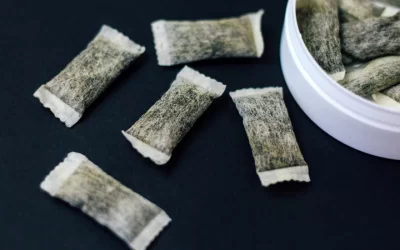
Excipients for Oral Nicotine Products in Modern Nicotine Pouch Formulations
The rapid growth of nicotine pouch products has brought increased attention to formulation science behind these smokeless alternatives. While nicotine is the active component, the performance, consistency, and overall experience of the product depend heavily on the...

Understanding Excipient Variability and Its Impact on Formulations
Formulation development is rarely as simple as combining ingredients according to a fixed recipe. Even when active ingredients remain unchanged, variations in excipients can influence product performance, processing behavior, and long-term stability. For formulators...

Functional Role of Cellulose in Dairy and Cheese Processing
The dairy industry continues to evolve with increasing demand for consistent quality, extended shelf life, and efficient large-scale production. Products such as shredded cheese, grated cheese, and processed dairy formulations face ongoing challenges related to...

Common Formulation Challenges Solved by Cellulose-Based Excipients
Formulation challenges are a reality across food, nutraceutical, and pharmaceutical manufacturing. Issues such as moisture imbalance, poor flow, texture breakdown, and inconsistent batch performance can impact product quality, shelf life, and processing efficiency....

Role of Cellulose Ingredients in Moisture and Fat Management
Moisture and fat are two of the most influential factors in food formulations and also two of the most challenging to manage. Excess moisture can lead to clumping, microbial growth, and texture breakdown, while uncontrolled fat migration can affect appearance,...

How Powdered Cellulose Improves Texture and Flow in Food Processing
In food processing, texture and flow are not just quality attributes, they directly influence processing efficiency, shelf life, and consumer perception. Whether it’s a seasoning blend, shredded cheese, bakery premix, or powdered food product, manufacturers constantly...