
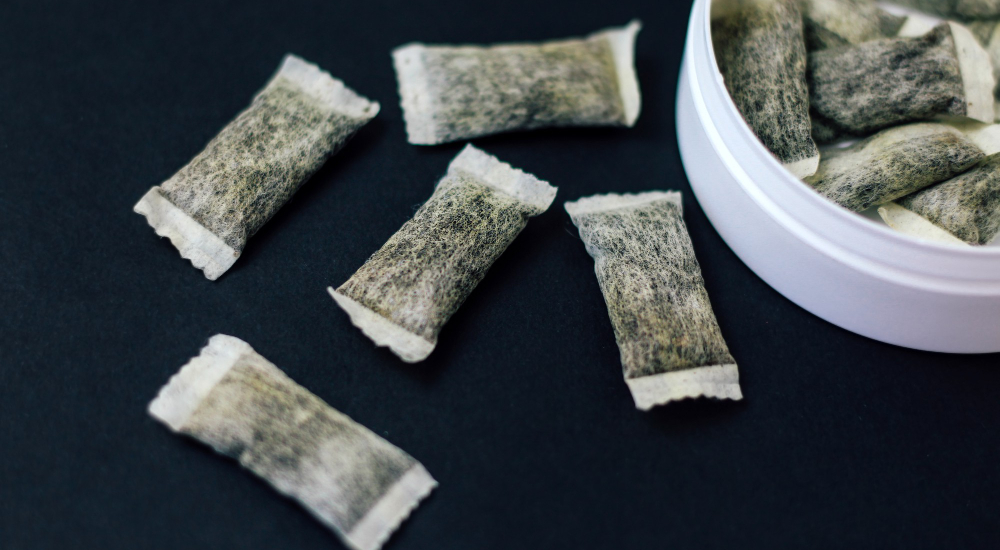
The rapid growth of nicotine pouch products has brought increased attention to formulation science behind these smokeless alternatives. While nicotine is the active component, the performance, consistency, and overall experience of the product depend heavily on the supporting ingredients used in the formulation. These supporting ingredients are known as nicotine pouch excipients, and they play a critical role in shaping the structure, stability, and manufacturing efficiency of nicotine pouches.
Modern nicotine pouches are carefully designed products. They must maintain consistent moisture levels, preserve flavor stability, and ensure reliable production at scale. Achieving these characteristics requires a combination of excipients that help deliver a stable and predictable formulation. Among the most widely used excipients are cellulose-based materials such as microcrystalline cellulose, which provide structural support and processing advantages.
Understanding how excipients function in nicotine pouch formulations can help manufacturers develop products that are consistent, efficient to produce, and stable throughout their shelf life.
Understanding Excipients in Oral Nicotine Products
In formulation science, excipients are ingredients added to a product to support its structure, processing, and overall stability. They do not provide the primary active effect but instead help ensure that the formulation performs consistently throughout manufacturing, storage, and use.
For oral nicotine products such as nicotine pouches, excipients play an important role in maintaining the internal structure of the pouch, supporting even distribution of nicotine and flavor components, and preserving the physical integrity of the formulation over time. Ingredients like microcrystalline cellulose for nicotine pouches are commonly used as structural excipients because they help create a stable matrix that keeps the powdered formulation evenly dispersed within the pouch.
Typical nicotine pouch formulation ingredients include structural fillers, moisture regulators, flavor carriers, and pH modifiers. When carefully selected and balanced, these excipients allow manufacturers to produce nicotine pouches that maintain stability, uniform composition, and reliable performance across different production batches.
Why Excipients Are Essential in Nicotine Pouch Formulations
Nicotine pouches must meet several functional requirements simultaneously. They must maintain their shape, prevent ingredient segregation, support flavor distribution, and perform consistently in high-speed production environments. Excipients make it possible to achieve these objectives.
One of the most important roles of excipients is providing structural support. Since nicotine pouches contain powdered ingredients, a structural matrix is needed to keep the formulation cohesive. This structure also ensures that ingredients remain evenly distributed inside the pouch.
Excipients also help regulate moisture balance, which is essential for maintaining product stability. Excess moisture can cause clumping or degradation, while insufficient moisture may affect texture and user experience. Carefully selected excipients help stabilize these conditions throughout storage and transport.
In addition, excipients improve manufacturing performance by supporting smooth blending, efficient pouch filling, and consistent batch production. Without these functional ingredients, nicotine pouch manufacturing would face significant challenges in maintaining quality and production efficiency.
Common Types of Excipients Used in Nicotine Pouches
Several categories of excipients are commonly used in modern nicotine pouch formulations. Each type serves a specific functional purpose.
Structural Fillers
Structural fillers form the bulk of the nicotine pouch formulation and provide the physical structure needed for the pouch to retain its shape. One of the most widely used fillers is microcrystalline cellulose, a purified cellulose material known for its stability and functional performance.
Microcrystalline cellulose is valued for its ability to create a uniform matrix that helps distribute ingredients evenly throughout the pouch. This improves formulation consistency and supports efficient manufacturing processes.
Moisture Regulators
Nicotine pouches require controlled moisture levels to maintain stability and performance. Ingredients such as glycerol and propylene glycol are often used as moisture regulators to help retain appropriate hydration levels in the formulation.
These components help prevent excessive drying or moisture buildup, ensuring that the pouch maintains consistent physical properties over time.
Flavor Carriers
Flavor is a key aspect of nicotine pouch products, and excipients help ensure that flavor compounds are distributed evenly throughout the formulation. Flavor carriers help evenly distribute flavor components within the formulation, allowing manufacturers to achieve consistent flavor profiles.
pH Modifiers
pH modifiers are used to adjust the acidity or alkalinity of the formulation environment. pH modifiers help maintain a controlled formulation environment, supporting consistent product performance.
How Excipients Improve Nicotine Pouch Manufacturing
Beyond their functional roles in the final product, excipients play an equally important role during the manufacturing process. Large-scale nicotine pouch production requires materials that behave predictably during blending, filling, and packaging.
Blending Consistency
Uniform blending is essential to ensure that nicotine, flavor compounds, and other ingredients are evenly distributed throughout the formulation. Excipients help stabilize the powder blend, reducing the likelihood of segregation and improving ingredient uniformity.
This ensures each pouch maintains consistent composition and performance.
Pouch Filling Efficiency
Nicotine pouch manufacturing typically involves automated filling systems that rely on consistent powder flow. Excipients help improve the physical properties of the formulation so that it flows smoothly during filling operations.
Stable flow properties enable manufacturers to maintain efficient production lines and minimize interruptions caused by clumping or uneven material movement.
Powder Flow Performance
Powder flow characteristics are critical in high-volume manufacturing environments. Poorly flowing powders can lead to bridging, inconsistent dosing, or equipment blockages.
Certain nicotine pouch excipients, including cellulose-based materials, help reduce particle adhesion and improve flowability. This allows powders to move more freely through blending and filling systems.
Batch-to-Batch Consistency
Consistency across production batches is essential for maintaining product quality and regulatory compliance. Excipients help stabilize formulation properties so that each production batch behaves similarly.
By maintaining predictable physical characteristics, excipients reduce variability in manufacturing outcomes and help manufacturers achieve reliable product performance.
Formulation Challenges in Nicotine Pouches
Nicotine pouch formulations can encounter several technical challenges during product development and manufacturing. Variations in ingredient behavior, particle characteristics, and the need to maintain pouch structure can make formulation design complex.
Another challenge lies in ensuring that powdered ingredients remain evenly distributed within the pouch. When formulations are not properly stabilized, certain components may shift or settle over time, affecting the overall product composition and appearance.
Maintaining the physical integrity of the pouch contents throughout storage and handling is also important. Changes in environmental conditions or ingredient interactions can sometimes affect the internal structure of the formulation.
To address these challenges, manufacturers incorporate carefully selected excipients that help stabilize the formulation matrix and support consistent product characteristics. These ingredients help maintain structural balance within the pouch and enable reliable product performance across production batches.
Emerging Trends in Nicotine Pouch Formulations
As the nicotine pouch industry continues to evolve, manufacturers are exploring new approaches to formulation and ingredient selection. Innovations in excipient technology are helping improve product stability, manufacturing efficiency, and formulation performance.
One emerging trend is the increasing use of high-performance cellulose excipients that provide enhanced structural stability and improved powder flow characteristics. These materials allow manufacturers to optimize formulation design while maintaining consistent production outcomes.
Another trend involves refining moisture control systems within nicotine pouch formulations. Advances in moisture regulation technologies are helping improve shelf stability and product consistency under varying environmental conditions.
As product development continues to advance, excipients will remain central to improving formulation performance and supporting scalable manufacturing processes.
Conclusion
The performance and consistency of modern nicotine pouch products depend greatly on the selection of reliable excipients. From providing structural support and moisture balance to improving powder flow and manufacturing efficiency, nicotine pouch excipients play a crucial role in ensuring that formulations remain stable and scalable for large-scale production. Ingredients such as microcrystalline cellulose help maintain uniformity within the pouch while supporting smooth processing and consistent batch performance.
With decades of experience in cellulose processing, Ankit Pulps & Boards Pvt. Ltd. provides high-quality microcrystalline cellulose solutions designed to meet the evolving needs of advanced formulations. By focusing on controlled manufacturing processes, consistent product quality, and technical expertise, the company supports manufacturers seeking dependable cellulose excipients for oral products, including modern nicotine pouch formulations.
Frequently Asked Questions (FAQs)
What are excipients for oral nicotine products?
Excipients are non-active ingredients used in nicotine pouch formulations to support structure, stability, moisture balance, and manufacturing efficiency.
Why are excipients important in nicotine pouch formulations?
Excipients help maintain pouch structure, ensure even distribution of ingredients, and support efficient manufacturing processes.
What fillers are commonly used in nicotine pouches?
Common fillers include cellulose-based materials such as microcrystalline cellulose, which provide structural stability and consistent formulation performance.
Do excipients affect nicotine pouch manufacturing?
Yes, excipients influence blending consistency, powder flow, and pouch filling efficiency, which are critical for large-scale production.
Why is microcrystalline cellulose used in nicotine pouches?
Microcrystalline cellulose is widely used because it provides structural support, improves powder flow, and helps maintain uniform ingredient distribution within the pouch.