
In food processing, texture and flow are not just quality attributes, they directly influence processing efficiency, shelf life, and consumer perception. Whether it’s a seasoning blend, shredded cheese, bakery premix, or powdered food product, manufacturers constantly deal with challenges such as clumping, uneven structure, poor movement, and moisture-related instability.These issues may seem minor at first, but they can quickly lead to inconsistent quality, handling difficulties, and product rejection.
This is where powdered cellulose in food processing plays an important functional role. Widely used as a food-grade excipient, powdered cellulose helps improve surface quality, enhance flow, and maintain consistency across a wide range of food applications without affecting taste, aroma, or appearance.
Why Texture and Flow Matter in Food Processing
Texture defines how a product feels, looks, and behaves, while flow determines how smoothly it moves through processing, packaging, and dispensing systems. Poor texture can lead to lump formation, uneven blending, or undesirable mouthfeel.Similarly, poor flow can cause blockages in equipment, inconsistent filling, and production delays.
In powdered and dry food products, moisture, fat content, and particle interaction often disrupt structural integrity and flow. As a result, manufacturers increasingly rely on functional ingredients that can address these challenges at the formulation level rather than during processing adjustments.
What Is Powdered Cellulose?
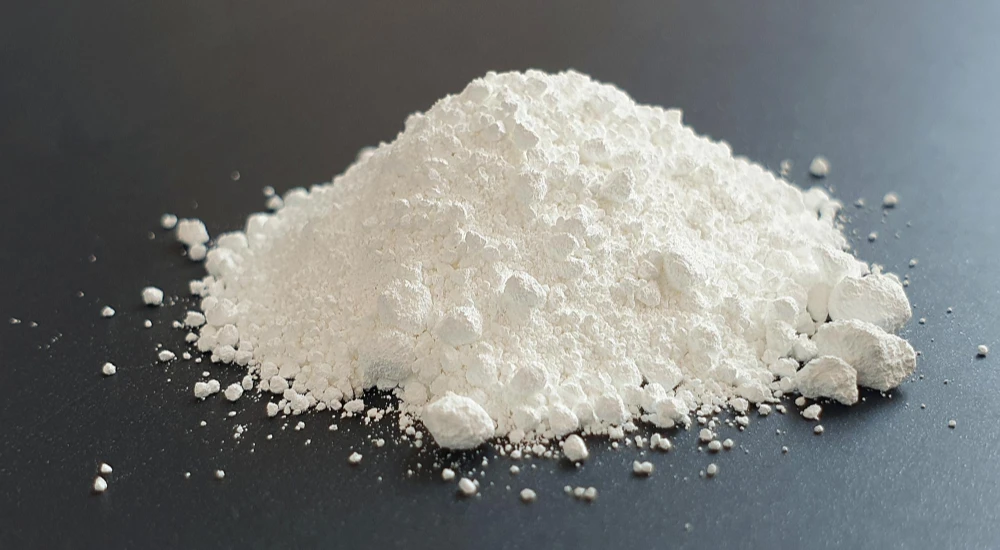
Powdered cellulose is a food-grade, plant-derived cellulose fiber obtained from highly purified alpha cellulose. It is white, odorless, tasteless, inert, and insoluble, making it ideal for food applications where functional performance is required without altering sensory characteristics.
In food formulations, powdered cellulose acts as a structural and functional excipient. It does not contribute flavor or nutrition but supports physical properties such as sensory quality, flowability, and stability.Because of its neutral nature and clean-label compatibility, powdered cellulose is widely used across bakery, dairy, dry mixes, and processed food applications.
Common Texture and Flow Challenges in Food Products
Food manufacturers often encounter physical structure and smooth processing issues due to excess moisture, fat migration, or poor particle distribution. Powders may clump during storage, lose free-flowing behavior, or develop uneven textures over time.In products like shredded cheese or seasoning blends, this can lead to sticking, inconsistent dosing, and reduced shelf stability.
These challenges not only affect product quality but also increase waste, rework, and operational inefficiencies. Addressing them at the formulation stage is often the most reliable and cost-effective approach.
How Powdered Cellulose Improves Texture in Food Processing
One of the key benefits of powdered cellulose is texture enhancement. Its fibrous structure helps reinforce the internal matrix of food products, improving consistency and reducing texture breakdown over time.
Powdered cellulose supports better product body and structural integrity, particularly in low-fat and processed foods where texture loss is common.It helps maintain uniform product structure throughout storage and distribution, ensuring that products feel and perform as intended when used by the consumer.
Because it is inert and tasteless, powdered cellulose improves product feel without masking flavors or altering the sensory profile of the food.
How Powdered Cellulose Improves Flow in Food Processing
Flow improvement is another major advantage of powdered cellulose in food processing. Acting as an effective anti-caking agent, it helps prevent moisture-related clumping and particle adhesion in powdered products.
By absorbing and distributing excess moisture, powdered cellulose keeps food powders free-flowing and easy to handle.This is especially important for automated processing and packaging lines, where consistent movement ensures accurate dosing, reduced downtime, and smoother operations.
Role of Powdered Cellulose in Moisture and Fat Management
Moisture and fat migration are common causes of physical structure and flow problems in food products. Powdered cellulose helps regulate moisture distribution within the formulation, reducing localized wet spots that can lead to clumping or texture degradation.
In products with higher fat content, powdered cellulose also helps limit oil separation and fat pickup.This is particularly beneficial in applications such as shredded cheese and low-fat formulations, where maintaining visual appeal and handling quality is critical.
By supporting moisture and fat balance, powdered cellulose contributes to long-term formulation stability and improved shelf performance.
Food Applications Where Powdered Cellulose Adds Value
Powdered cellulose is used across a wide range of food processing applications due to its versatility and reliability.Common applications include shredded and grated cheese, seasoning blends, bakery premixes, dry soup mixes, and ready-to-cook food products.
In dairy applications, it helps prevent sticking and clumping while maintaining surface quality.In dry mixes and premixes, it supports uniform blending and smooth processing.Across these applications, powdered cellulose helps manufacturers achieve consistent quality and efficient processing.
Clean-Label Benefits of Powdered Cellulose
As consumer demand for clean-label products continues to grow, manufacturers are increasingly focused on ingredients that are both functional and label-friendly.Powdered cellulose fits well into this trend.
Derived from renewable plant sources and classified as a dietary fiber, powdered cellulose supports clean-label formulations without compromising performance.It allows manufacturers to address texture and flow challenges while meeting consumer expectations for transparency and simplicity in ingredient lists.
Why Quality Matters in Food-Grade Powdered Cellulose
Not all powdered cellulose performs the same way. Factors such as particle size, purity, and manufacturing consistency directly influence functionality in food applications.Inconsistent quality can lead to unpredictable performance and formulation issues.
This is why working with a trusted powdered cellulose manufacturer is essential.Consistent particle distribution, strict quality control, and food-grade compliance ensure reliable results across batches and applications.
Conclusion
Texture and flow challenges are common in food processing, but they do not have to limit product quality or efficiency.Powdered cellulose in food processing offers a reliable, clean-label solution for improving texture, enhancing flow, and maintaining consistency across a wide range of applications.
With strong manufacturing expertise and a focus on food-grade cellulose excipients, Ankit Pulps & Boards Pvt. Ltd. supports food manufacturers with high-quality powdered cellulose designed for consistent performance.By combining functional reliability with quality-driven manufacturing, they help brands develop food products that process smoothly, store well, and meet modern quality expectations.
Frequently Asked Questions
How does powdered cellulose improve texture in food processing?
How does powdered cellulose help improve flow in food products?
It acts as an anti-caking agent, reducing moisture-related clumping and keeping powders free-flowing during processing and packaging.
Is powdered cellulose safe for food applications?
Yes, food-grade powdered cellulose is widely used in food processing and complies with established safety and quality standards.
Does powdered cellulose affect taste or flavor?
No, powdered cellulose is tasteless and odorless, so it does not impact the sensory profile of food products.
Which food products commonly use powdered cellulose?
It is commonly used in shredded cheese, dry mixes, bakery premixes, seasoning blends, and other powdered or processed food products.