
Blogs
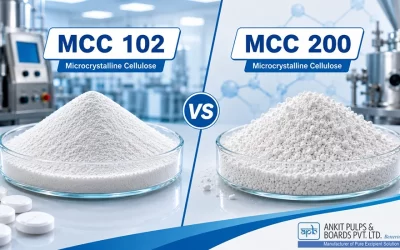
MCC 102 vs MCC 200: Why the Grade You Choose Changes Everything
When working with microcrystalline cellulose grades, it’s easy to assume that all variants behave similarly. After all, they come from the same base material. But in real-world pharmaceutical formulation, the grade you choose can directly influence tablet quality,...

Global Regulatory Requirements for Pharmaceutical Excipients
In pharmaceutical manufacturing, quality is not just a requirement, it is a responsibility. Every component used in drug formulations, including excipients, must meet strict regulatory standards to ensure safety, consistency, and performance. This is where regulatory...
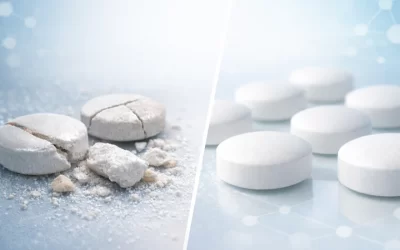
Common Tablet Defects and How Excipients Help Prevent Them
Tablet manufacturing may look straightforward from the outside, but anyone involved in formulation or production knows how sensitive the process really is. Even small variations in material properties or processing conditions can lead to visible and functional issues...
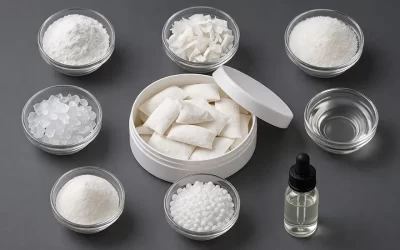
Tobacco Free Nicotine Pouch Ingredients and Their Role in Formulations
The global rise of nicotine pouches has created growing curiosity around what actually goes into these products. Unlike traditional smokeless tobacco products, modern pouches are designed to deliver nicotine without containing tobacco leaf material. Because of this...
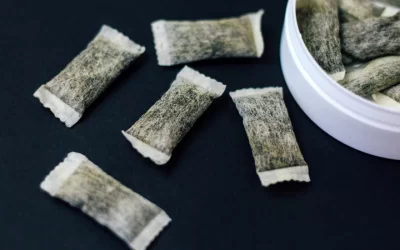
Excipients for Oral Nicotine Products in Modern Nicotine Pouch Formulations
The rapid growth of nicotine pouch products has brought increased attention to formulation science behind these smokeless alternatives. While nicotine is the active component, the performance, consistency, and overall experience of the product depend heavily on the...
Understanding Excipient Variability and Its Impact on Formulations
Formulation development is rarely as simple as combining ingredients according to a fixed recipe. Even when active ingredients remain unchanged, variations in excipients can influence product performance, processing behavior, and long-term stability. For formulators...